
What to Expect in Youth Martial Arts

A good youth martial arts class is not chaos with punching bags. It is structure, coaching, movement, and accountability from the moment kids step on the mat. If you are wondering what to expect in youth martial arts, the short answer is this: your child should be challenged, supported, and taught with purpose.
Parents often come in looking for one thing - confidence, focus, fitness, self-defense, or better behavior at home. Strong programs work because they build all of those traits together. The best youth training does not just keep kids busy for an hour. It gives them a system for growth.
What to Expect in Youth Martial Arts Classes
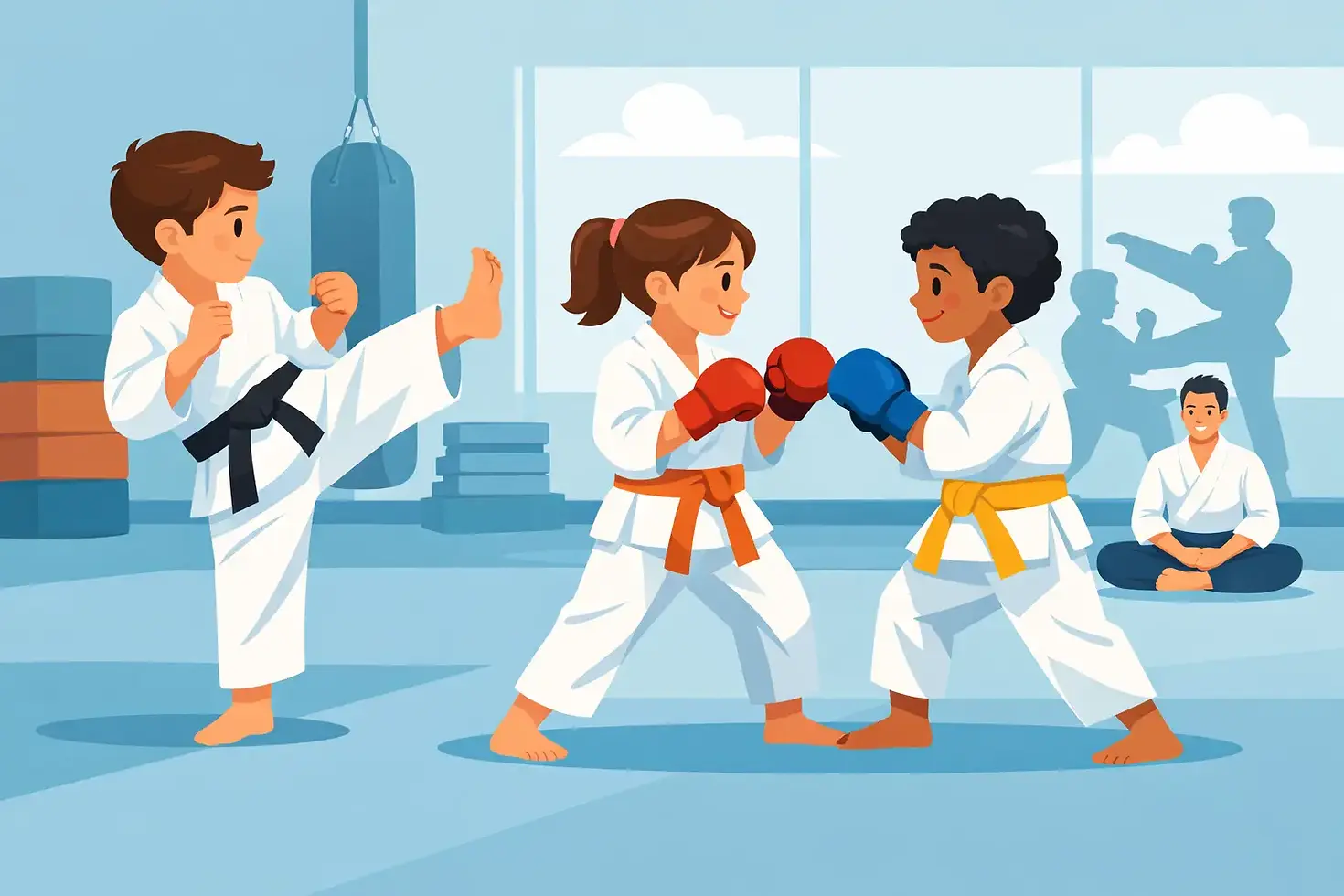
Most youth martial arts classes follow a clear rhythm. Students line up, greet their coach, and begin with a warm-up designed to improve coordination, balance, and body control. That opening matters more than many parents realize. It sets the tone that class is not recess. It is training.
From there, kids usually move into technical instruction. Depending on the program, that may include stance work, basic striking mechanics, takedowns, positional control, escapes, or partner drills. In a well-run class, coaches break techniques into manageable steps and teach them in age-appropriate language. Younger children need shorter explanations and more guided repetition. Older kids and teens can handle more detail, strategy, and controlled live work.
Near the end of class, students may do supervised drills or sparring rounds based on their age and experience. This part is often what parents are most unsure about, but in quality programs it is tightly controlled. The goal is not to create fear or aggression. The goal is to teach timing, composure, and problem-solving under pressure.
Class usually closes with a review, a show of respect, and sometimes a quick conversation about effort, attitude, or discipline. That ending is part of the training too. Kids learn that how they finish matters.
The Real Benefits Go Beyond Self-Defense
Parents sometimes start with practical concerns. Maybe their child needs to be more active. Maybe they have been dealing with bullying, low confidence, or trouble focusing. Martial arts can help with all of that, but not by magic.
The change comes from repeated exposure to challenge. Kids are asked to listen, try, fail, adjust, and try again. Over time, that process builds resilience. A shy child starts speaking up. A distracted child begins following sequences more consistently. A naturally athletic child learns humility and control instead of relying on talent alone.
Self-defense is part of the picture, but it should be taught responsibly. Good youth programs do not glorify fighting. They teach awareness, boundaries, and how to stay calm if physical conflict happens. In grappling-based systems like Brazilian Jiu Jitsu, kids learn how to manage distance, control positions, and escape bad situations without relying only on size or strength. In striking arts, they learn mechanics, movement, and discipline - not reckless aggression.
That distinction matters. The right program teaches children how to handle themselves without turning them into a problem.
What Parents Should See From Coaches
Coaching quality changes everything. A talented fighter is not automatically a good youth instructor. Teaching kids requires patience, structure, and the ability to command a room without crushing a child’s confidence.
Parents should expect coaches to be organized, attentive, and consistent. Instructions should be clear. Safety rules should be obvious. Corrections should be firm but constructive. If a child is struggling, a strong coach finds a way to bring them back into the room mentally instead of writing them off.
You should also expect standards. Youth martial arts should not feel soft or directionless. Kids benefit from boundaries. They should be taught to line up properly, pay attention when others are speaking, treat training partners with respect, and take ownership of their effort. That environment helps children mature.
At the same time, every child is different. Some need a push. Others need reassurance before they can perform. The best coaches know the difference.
Safety in Youth Martial Arts
Safety is one of the first questions parents ask, and they should. Martial arts involves physical contact, but that does not mean it should feel reckless. A serious academy manages intensity carefully.
What to expect in youth martial arts from a safety standpoint is supervision, progression, and control. Beginners should not be thrown into advanced drills they do not understand. Contact should match the student’s age, skill level, and emotional readiness. Coaches should be actively watching, not standing across the room distracted.
You should also see a culture where students are taught how to train with each other, not just against each other. That includes learning how to move with control, when to stop, and how to be a good partner. In healthy programs, safety is built into the culture, not treated like an afterthought.
Minor bumps and bruises can happen in any sport. The bigger issue is whether the environment is smart, disciplined, and supervised. That is the standard parents should look for.
Progress Does Not Look the Same for Every Child
One of the biggest mistakes parents make is expecting instant transformation. Some kids love martial arts on day one. Others need time. A child who seems hesitant at first may become one of the most committed students six months later.
Progress can show up in different ways. One student may improve physically first, with better coordination and conditioning. Another may show emotional growth, becoming more focused, more respectful, or more willing to work through frustration. A teen may start out quiet and begin carrying themselves with more confidence at school and in social settings.
This is why belt rank or stripes should not be the only thing parents watch. Promotions can be motivating, but day-to-day development matters more. Is your child listening better? Are they showing more self-control? Are they learning to handle pressure without shutting down? Those are real wins.
Youth Martial Arts and Character Development
A strong youth program teaches more than technique. It teaches habits. Kids learn to show up on time, tie their gear correctly, follow instructions, and stay composed when things get hard. Those habits carry outside the gym.
Character development is not a slogan when training is done right. It happens in small moments. A student loses a round and has to reset. A child gets corrected in front of peers and learns not to crumble. A teenager is asked to help a newer student and starts becoming a leader.
That kind of growth is especially valuable now because many kids do not get enough structured adversity. Martial arts gives them a place to face challenges in a controlled setting. They learn that pressure is not something to fear. It is something to train through.
For families in Asheville and across Western North Carolina, that can be a major reason to commit. The mat becomes a place where discipline is reinforced, not negotiated.
How to Know if a Program Is the Right Fit
Not every youth martial arts program is built the same. Some are highly recreational. Some are more competition-driven. Some focus heavily on games for younger children, while others hold a firmer line on structure and discipline. None of that is automatically good or bad. It depends on your child and your goals.
If your child needs confidence and social development, look for a room that is encouraging but not permissive. If they are highly competitive, look for coaching that can challenge them technically without feeding ego. If self-defense is your top priority, make sure the training includes realistic movement and control, not just memorized routines.
At Parabellum Jiu Jitsu MMA Academy, the standard is simple: youth students should get real instruction, clear structure, and an environment that builds confidence through earned progress. That matters whether a child is shy, energetic, brand new, or already serious about training.
The right fit should feel demanding in a healthy way. Your child should leave class tired, engaged, and proud of what they worked on. Not every day will be perfect. Some classes will click more than others. But over time, the direction should be clear.
What Parents Can Do to Support the Process
The best thing a parent can bring into youth martial arts is consistency. Kids improve when they train regularly, show up on time, and understand that effort matters even when motivation dips. Try not to judge the entire experience by one class or one emotional day.
It also helps to praise the right things. Instead of focusing only on winning, promotions, or being the best in the room, notice discipline, courage, and follow-through. When parents reinforce those values, kids start to connect progress with work instead of praise.
And if your child struggles early, that does not mean the program is failing. Sometimes the first lessons in martial arts are learning to listen, handle correction, and stay with something difficult. Those are valuable lessons.
Youth martial arts should give your child more than activity. It should give them a standard to rise to, a team to grow with, and a skill set they can carry for years. When the coaching is real and the culture is strong, the results reach far beyond the mat.


Comments