

BJJ Belt Progression Guide for Real Progress

A belt is not a prize for surviving class or paying dues. It is a visible marker of skills built under pressure, consistent training habits, and the ability to keep showing up when progress feels slow. This BJJ belt progression guide explains what the ranks represent, what instructors look for, and how students in Asheville can approach the journey with the patience it demands.
Brazilian Jiu Jitsu has a longer belt path than many martial arts. That is intentional. BJJ asks students to develop timing, control, problem-solving, composure, and responsible training habits - not just memorize a sequence of techniques. The color around your waist matters far less than the person you become while earning it.
The Adult BJJ Belt Progression Guide
For adults, the standard Brazilian Jiu Jitsu belt order is white, blue, purple, brown, and black. Coral and red belts exist at the highest levels of the art, but they are lifetime achievements reserved for decades of contribution and experience.
Every academy has its own promotion standards. A legitimate program does not hand out belts on a calendar alone, but time on the mat still matters. You cannot rush the repetitions needed to recognize a sweep before it happens, escape a bad position without panic, or apply a submission with control.
White Belt: Building the Base
White belt is where real training begins. New students learn how to move safely, fall properly, understand positional hierarchy, and train without relying on strength or reckless speed. The early curriculum should give students a working foundation in escapes, guard retention, takedown awareness, passing, control positions, and high-percentage submissions.
A white belt is not expected to know everything. They are expected to be coachable. Showing up consistently, asking useful questions, respecting training partners, and learning to stay calm in difficult rounds are major signs of progress.
Many adults spend roughly one to two years at white belt. Someone training two or three times each week may progress differently than a person attending once a week, competing regularly, or returning after prior grappling experience. The timeline is less important than whether the student can apply fundamentals against resisting partners.
Blue Belt: Making Jiu Jitsu Work
Blue belt is often the first major milestone because it means a student has moved beyond basic survival. A blue belt should understand the main positions and have dependable answers for common problems. They do not need a huge arsenal, but they should have a developing game: a few reliable escapes, guard attacks, passes, controls, and submissions they can use against trained opponents.
This is also where many people face their first serious plateau. The beginner gains come quickly. Then training becomes more demanding because blue belts are no longer surprised by every position. They must refine details, connect techniques, and identify patterns in their own mistakes.
Expect blue belt to require years, not months. The students who advance are rarely the ones chasing the next color. They are the ones who keep training through busy work seasons, tough rounds, frustrating losses, and the realization that there is always more to learn.
Purple Belt: Connecting Technique and Strategy
Purple belt is where a practitioner’s individual style becomes clear. A purple belt can usually guide newer students through basic situations, recognize common errors, and build connected attacks instead of treating every move as an isolated technique.
At this level, strategy matters. A student may understand how to steer a round toward favored positions, force reactions, and adapt when the first plan fails. Purple belts should be technically capable, but they should also train with maturity. They know when to push the pace and when to protect a smaller, newer, or injured teammate.
Brown Belt: Refining the Details
Brown belt is a period of sharp refinement. The game is already established, so the work becomes more precise: cleaner pressure, better transitions, tighter defense, smarter pacing, and stronger decision-making in difficult exchanges.
A brown belt is often preparing for the responsibility of black belt. That does not mean they must become a full-time instructor or competitor. It means they demonstrate the judgment, technical depth, and character that make others safer and better on the mat.
Black Belt: A New Responsibility
Black belt is not graduation. It is the beginning of a deeper responsibility to the art and the people around you. A black belt should possess broad technical understanding, composure under pressure, and the ability to help others develop.
Some black belts compete at a high level. Others focus on coaching, self-defense, MMA, or lifelong training. The path can look different, but the rank should still represent earned ability, continued learning, and leadership.
What Instructors Look for Beyond Technique
A good promotion system evaluates more than a student’s favorite submission. Technical knowledge matters, but it is only one part of the picture. Instructors also watch how a student responds when the round is going badly, how they treat training partners, and whether they can apply instruction under live resistance.
At Parabellum Jiu Jitsu MMA Academy, progress is built through structured instruction and honest training. Students are encouraged to develop real skill, not perform for rank. That means learning to train hard without becoming reckless, taking correction without ego, and contributing to a room where beginners and experienced athletes can improve together.
Attendance is part of the equation because consistency creates mat awareness. Still, simply accumulating classes does not guarantee promotion. A student who comes often but avoids difficult rounds, ignores coaching, or trains carelessly may need more development than someone with fewer sessions and stronger fundamentals.
Competition can also reveal valuable information, especially for students who want to test themselves. But competing is not mandatory for belt promotion. Tournament performance depends on many factors, including preparation, weight cuts, nerves, rulesets, and the quality of the bracket. A recreational student can earn rank through committed, accountable training, while a competitor must still show technical growth and maturity outside of competition.
Stripes, Promotions, and the Trap of Comparison
Many academies use stripes between belt promotions to recognize progress. Others use them sparingly or not at all. Neither approach is automatically better. Stripes can give newer students clear short-term markers, while a simpler system can keep attention on daily development rather than external validation.
The trap is comparing your stripe count or belt timeline to everyone else in class. One teammate may have a wrestling background. Another may train six days a week. A parent balancing work and family may train twice weekly but make steady, meaningful progress over several years. Different starting points and schedules create different paths.
Measure yourself against the version of you from six months ago. Are you escaping positions that once held you down? Are you making smarter choices during rounds? Can you help a new student feel safe and welcome? Those are real signs that your Jiu Jitsu is growing.
How to Progress Without Chasing Belts
The fastest way to slow down your development is to train only for promotion. Belt-chasing often leads students to avoid tougher partners, collect techniques without understanding them, or become discouraged when someone else advances first.
Instead, build a training routine you can sustain. Attend consistently, take notes after class if that helps you retain details, and choose one or two areas to improve over a training cycle. If your guard keeps getting passed, spend time on frames, hip movement, and recovery rather than hunting advanced attacks from positions you cannot hold yet.
Roll with different body types and experience levels. Experienced partners expose gaps in your game. Newer students give you a chance to practice control and clean technique. Both are necessary. Train hard, but protect your body well enough to stay in the room for years.
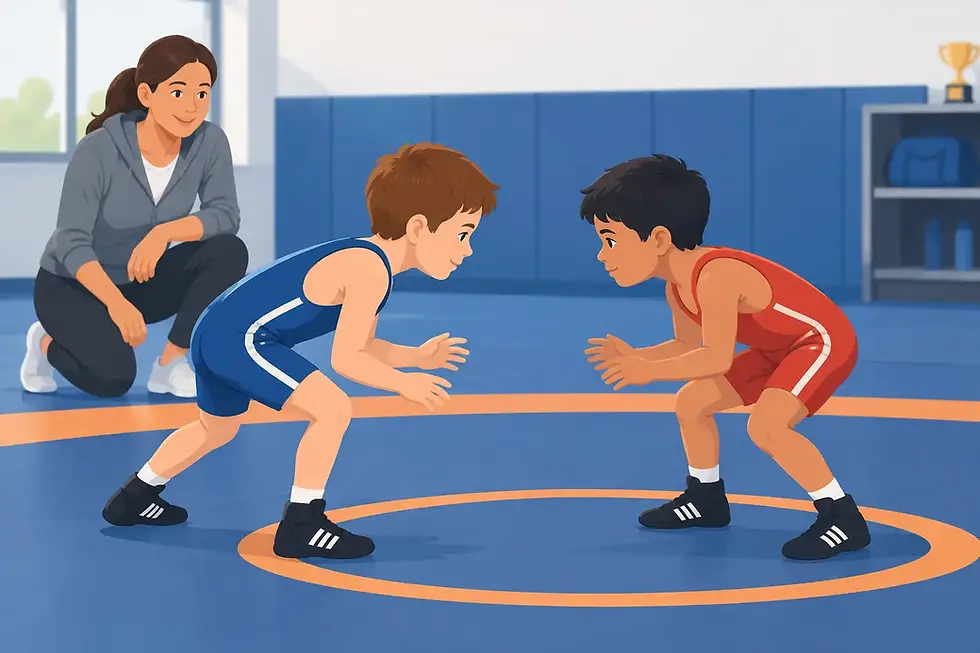
For parents, youth belt progression follows a different structure. Kids typically move through age-appropriate colored ranks before entering the adult system. Promotions should reflect technical development, listening skills, confidence, safe behavior, and consistent effort. A youth belt is not just evidence of athletic ability; it is recognition that a young student is learning discipline and respect.
Your belt will eventually fade, get sweat-stained, and spend most of its life in a gym bag. The confidence built through difficult rounds, the discipline earned through consistency, and the teammates you help along the way will last much longer. Show up ready to learn, do the work with purpose, and let your progress speak before your belt does.


Comments